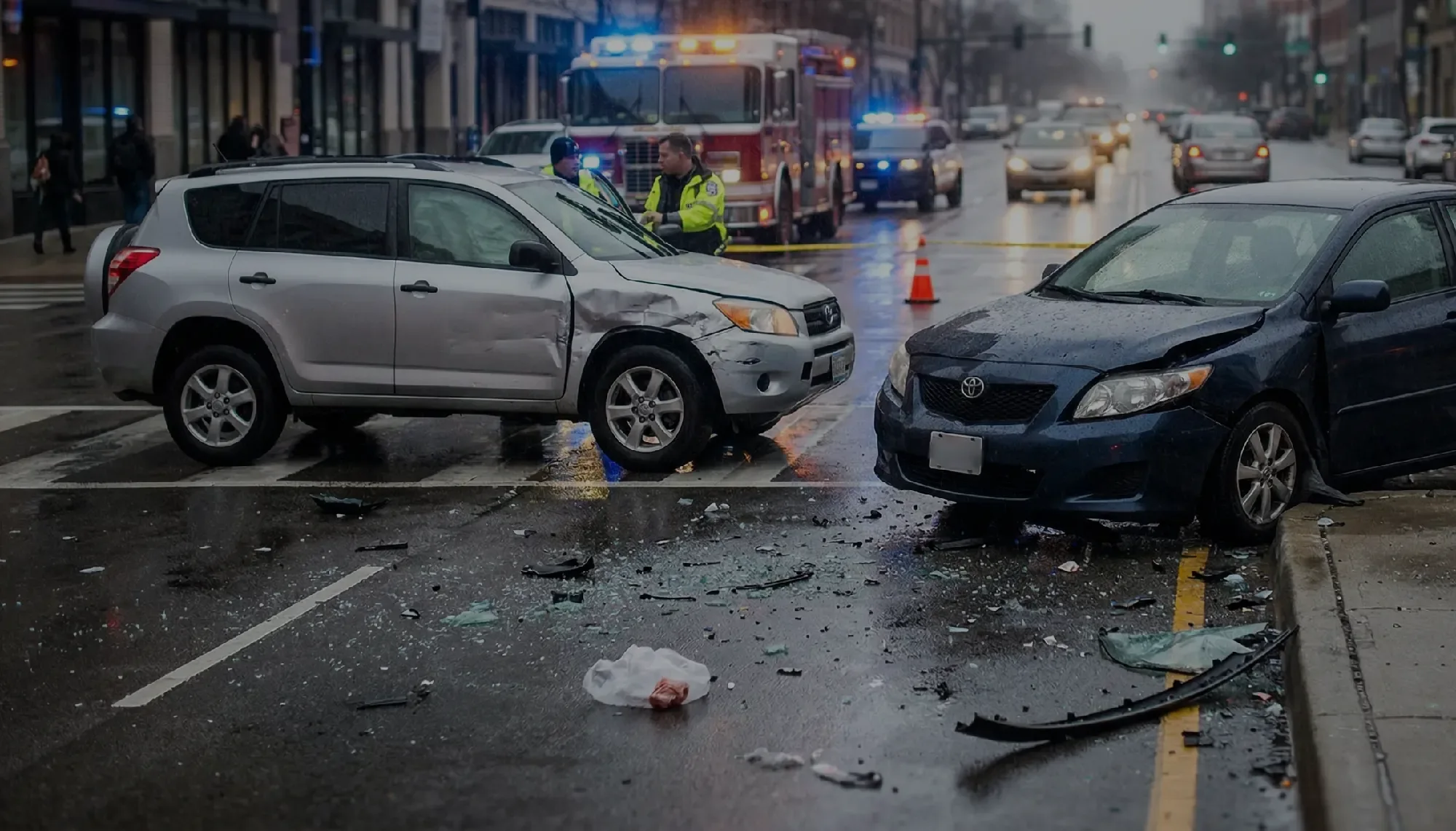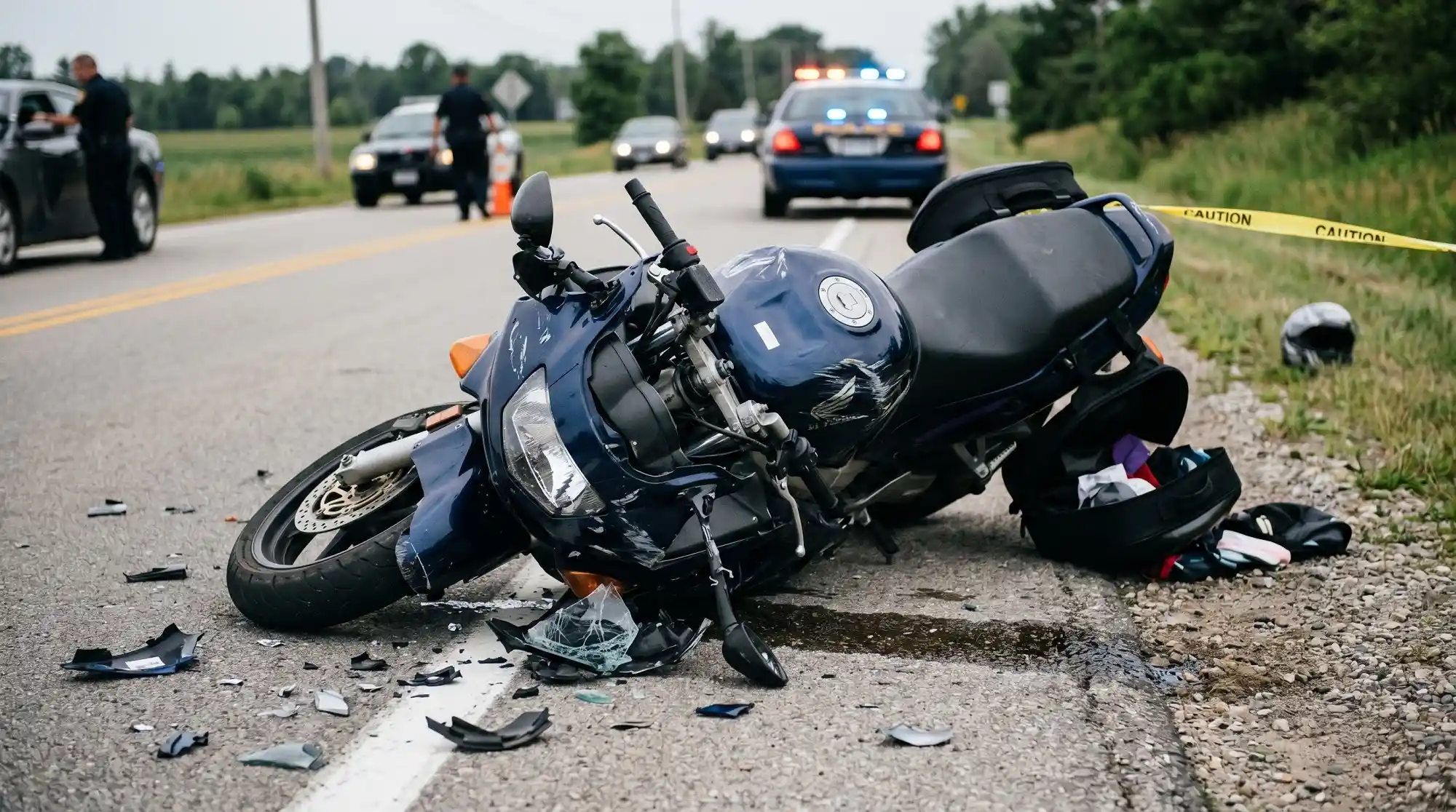
Motorcycle collisions often raise issues that do not appear in ordinary passenger-vehicle cases. Riders are more exposed to severe injury, and insurers may attempt to assign fault to the motorcyclist before the facts are fully examined. For that reason, the hours and days after a crash can affect both physical recovery and the strength of a legal claim.
If you are searching for what to do after a motorcycle crash, your top priorities should be medical care, scene safety, and preserving evidence. At Rice & Kendig Injury Lawyers, our experienced Shreveport motorcycle accident lawyers represent injured riders across Shreveport, Bossier City, and the wider Northwest Louisiana region. The firm offers free consultations, brings 60 years of combined experience to injury matters, and has tried hundreds of cases to judgment and verdict.
10 Steps That Can Protect You After a Motorcycle Crash
Louisiana’s most recent official statewide figures show 67 two-wheeled motorcycle fatalities and 357 suspected serious injuries in 2024.
A clear plan can reduce confusion after a serious collision. The steps below address what to do after motorcycle crash injuries, vehicle damage, insurance contact, and evidence concerns arise simultaneously.
1. Seek Medical Attention at Once
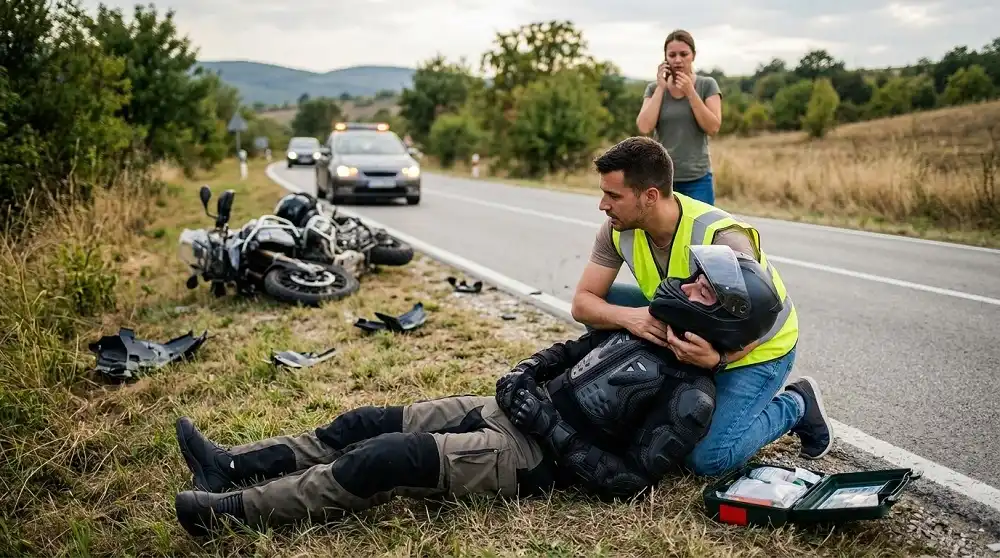
Medical care should always come first. If there is any possibility of a head, neck, back, or internal injury, remain where you are unless staying in place creates a greater immediate danger.
Even when injuries do not appear severe at the scene, symptoms may develop later as shock and adrenaline wear off. Prompt evaluation protects your health and creates a medical record connecting the injuries to the collision.
2. Report the Crash to Law Enforcement
Louisiana law requires a driver involved in a crash that causes injury, death, or property damage exceeding $500 to notify the appropriate law enforcement agency immediately. That duty appears in La. R.S. 32:398. The same statute also requires the exchange of identifying and vehicle information.
3. Document the Scene Carefully
If your condition permits, photograph the scene before vehicles are moved and before roadway evidence changes. Capture the motorcycle, the other vehicle, license plates, lane positions, debris, skid marks, traffic signs, road conditions, weather conditions, and visible injuries. Photographs should include both close-ups and wider views to preserve the overall scene. If witnesses are present, obtain their names and contact information before they leave.
4. Preserve the Motorcycle and Riding Gear
Do not repair the motorcycle or discard damaged gear too quickly. The motorcycle, helmet, jacket, gloves, boots, and clothing may all become evidence. Impact damage, scrape patterns, broken components, and structural failures may help show how the collision occurred and the force involved. In a contested case, the condition of the motorcycle and gear may carry substantial evidentiary value.
5. Preserve the Helmet
Louisiana requires anyone operating or riding on a motorcycle to wear a safety helmet properly secured with a chin strap while the vehicle is in motion. That requirement appears in La. R.S. 32:190(A). If helmet use, point of impact, or injury severity later becomes disputed, the helmet itself may become an important piece of physical evidence. It should be preserved in its post-crash condition and not cleaned, altered, or discarded.
6. Exchange Information Without Speculation
Obtain the other driver’s name, address, registration information, insurance carrier, and policy details. Provide the information required by law, but do not speculate about speed, distance, fault, or what another driver may have seen. Accuracy matters more than immediate explanation.
7. Use Caution with Insurance Communications
The crash should be reported to the appropriate insurer, but statements should remain limited and factual. Recorded statements, broad medical authorizations, and early settlement discussions should be approached carefully until the injuries and the facts are clearer. In a serious motorcycle case, the earliest statements can shape the entire dispute.
8. Keep Treatment and Loss Records
Follow medical advice and maintain a complete file of records, bills, prescriptions, repair estimates, photographs, and correspondence with the insurer. It is also useful to keep a dated record of missed work, physical restrictions, and changes in daily function. Those materials often become central proof of damages.
9. Know the Louisiana Rules That Can Affect Recovery
Louisiana’s comparative-fault rule appears in La. Civ. Code art. 2323. Effective January 1, 2026, a claimant who is 51 percent or more at fault cannot recover damages; if the claimant is under that threshold, damages are reduced in proportion to the assigned fault. That makes early evidence preservation particularly important in motorcycle cases, where fault is often contested quickly.
Louisiana’s “No Pay, No Play” rule appears in La. R.S. 32:866. Current Louisiana legislative materials state that this provision bars recovery of the first $100,000 of bodily injury damages and the first $100,000 of property damages for an owner or operator who failed to maintain compulsory liability coverage, subject to statutory exceptions.
10. Consult Counsel Before Evidence Is Lost
A strong motorcycle case is often built early and only with experienced counsel. Legal representation should not be limited to just filing paperwork after treatment ends. Our aggressive representation involves preserving the motorcycle and riding gear, securing photographs and video before they disappear, obtaining the crash report, addressing insurer communications, organizing medical proof, hiring accident reconstruction experts, if necessary, and responding to efforts to place blame on the rider by default.
Early legal review is especially useful when injuries are serious, fault is disputed, multiple vehicles are involved, or an insurer presents a quick settlement offer before the full extent of the losses is known.
The First Days After the Collision Can Shape the Entire Claim
The period immediately after a motorcycle crash is rarely orderly. Medical concerns, transportation issues, work obligations, family responsibilities, and insurance questions often arise all at once. A disciplined response can protect both your health and your legal position. Seek medical attention promptly, report the collision properly, document the scene, preserve the motorcycle and protective gear, and proceed cautiously in all communications with insurers.
At Rice & Kendig Injury Lawyers, injured riders can speak with our exceptional legal team that offers free consultations, has decades of combined experience, and represents clients across Shreveport, Bossier City, and surrounding Northwest Louisiana communities. If you need legal advice after a motorcycle collision, contact us to discuss the facts of the crash and the next steps available to you.
trusted advocate in Louisiana
and Texas.
Struggling After Your Accident? We're Here to Help.
Rice & Kendig Injury Lawyers pursue the compensation you may be owed. Request a free case review today.
or Call Us
(318) 222-2772
Heading
Struggling After Your Accident? We're Here to Help.
At Rice & Kendig, our Shreveport car accident lawyers have more than 40 years of experience helping clients receive the justice and compensation they deserve. Get your free case review now!
No Fee Unless We Win For You
or Call Us
(318) 222-2772