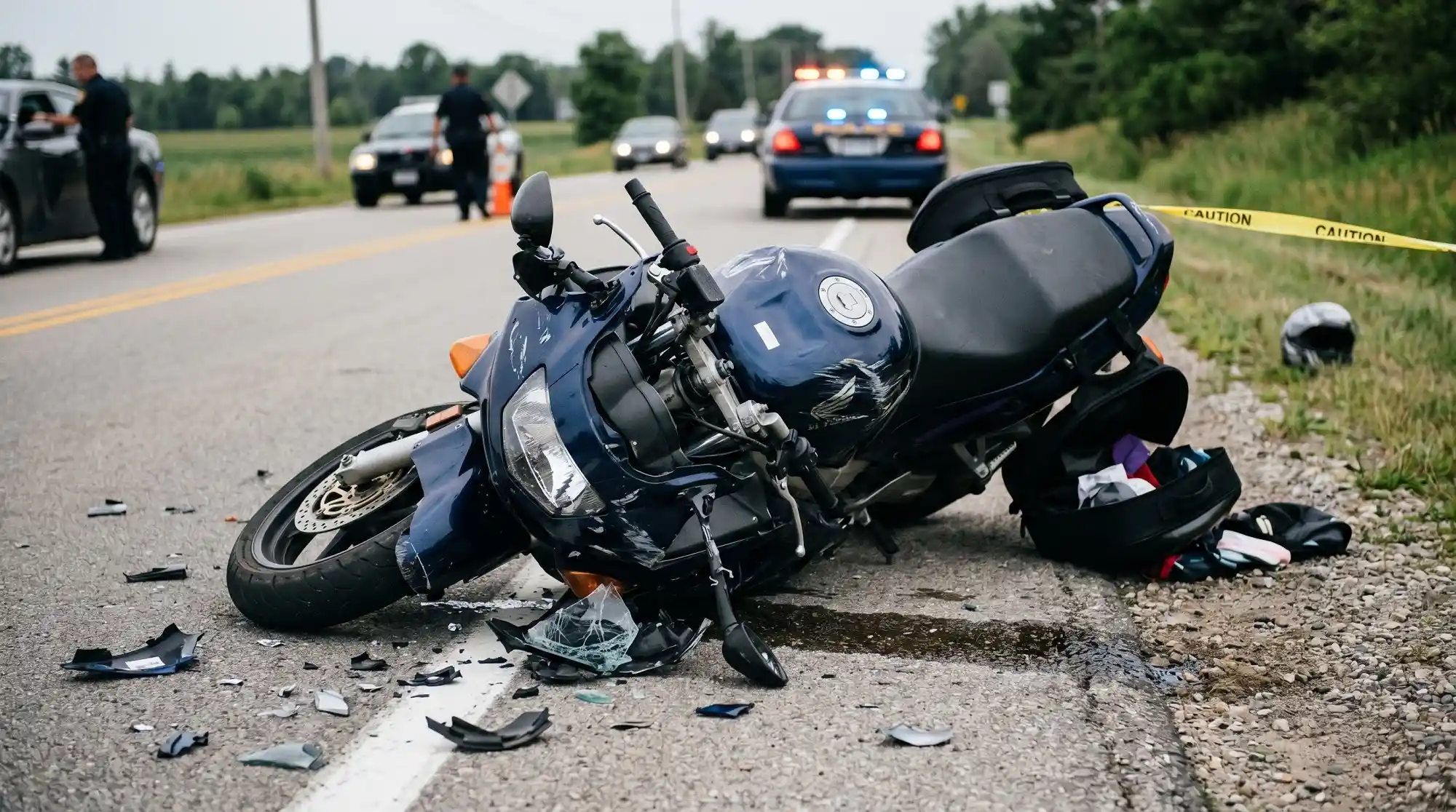
After a collision, the blame game starts fast. Stories change, adjusters make calls, and the version of events documented in those first hours can follow your case all the way to a courtroom.
Our experienced Shreveport car accident attorneys at Rice & Kendig Injury Lawyers have seen what happens when injured drivers go at it alone against insurers motivated to shift fault their way. This guide covers what it takes to prove liability in a Louisiana car accident and how to protect your position from day one.
What Fault Actually Means in a Louisiana Car Accident
Fault isn't just about who hit whom. Louisiana law requires courts and insurers to determine whether a driver acted negligently, meaning they failed to exercise the care a reasonable person would under the same circumstances.
To prove another driver was at fault, four elements must be established: they owed you a duty of care, they breached that duty, the breach caused your injuries, and you suffered real damages. When all four apply to the other driver and not to you, the path to compensation becomes much clearer.
How Fault Is Determined in Louisiana
Louisiana uses a modified comparative fault system under Civil Code Article 2323, which took effect January 1, 2026. You can recover damages if you are found 50% or less at fault. At 51% or more, you recover nothing. For background on Louisiana's no-fault rules, that context matters for how your claim is handled.
Before 2026, Louisiana followed pure comparative fault, under which each party could still recover damages at any fault percentage. The change raises the stakes: a slight majority of fault now wipes out your entire claim.
Common Accident Types and Who Typically Bears Fault
Not every crash is ambiguous. Certain fact patterns create strong presumptions of fault that courts and insurers recognize.
- Rear-end collisions: The rear driver is almost always presumed to have followed too closely.
- Left-turn accidents: A turning driver must yield to oncoming traffic. If you were struck while going straight, the fault typically falls on the turning driver.
- Red light and stop sign violations: Running a red light or stop sign is a traffic law violation that insurers treat as direct evidence of negligence.
- DUI/DWI accidents: An intoxicated driver's impairment is itself evidence of negligence. Louisiana courts also allow punitive damages in these cases.
- Distracted-driving crashes: Phone records, dashcam footage, and witness accounts can prove that a driver was inattentive at the moment of impact.
How to Prove a Car Accident Wasn't Your Fault: The Evidence That Counts
Knowing how to prove fault in a car accident comes down to documentation. The stronger and earlier the record, the harder it is for an insurance company to rewrite what happened.
The Police Report
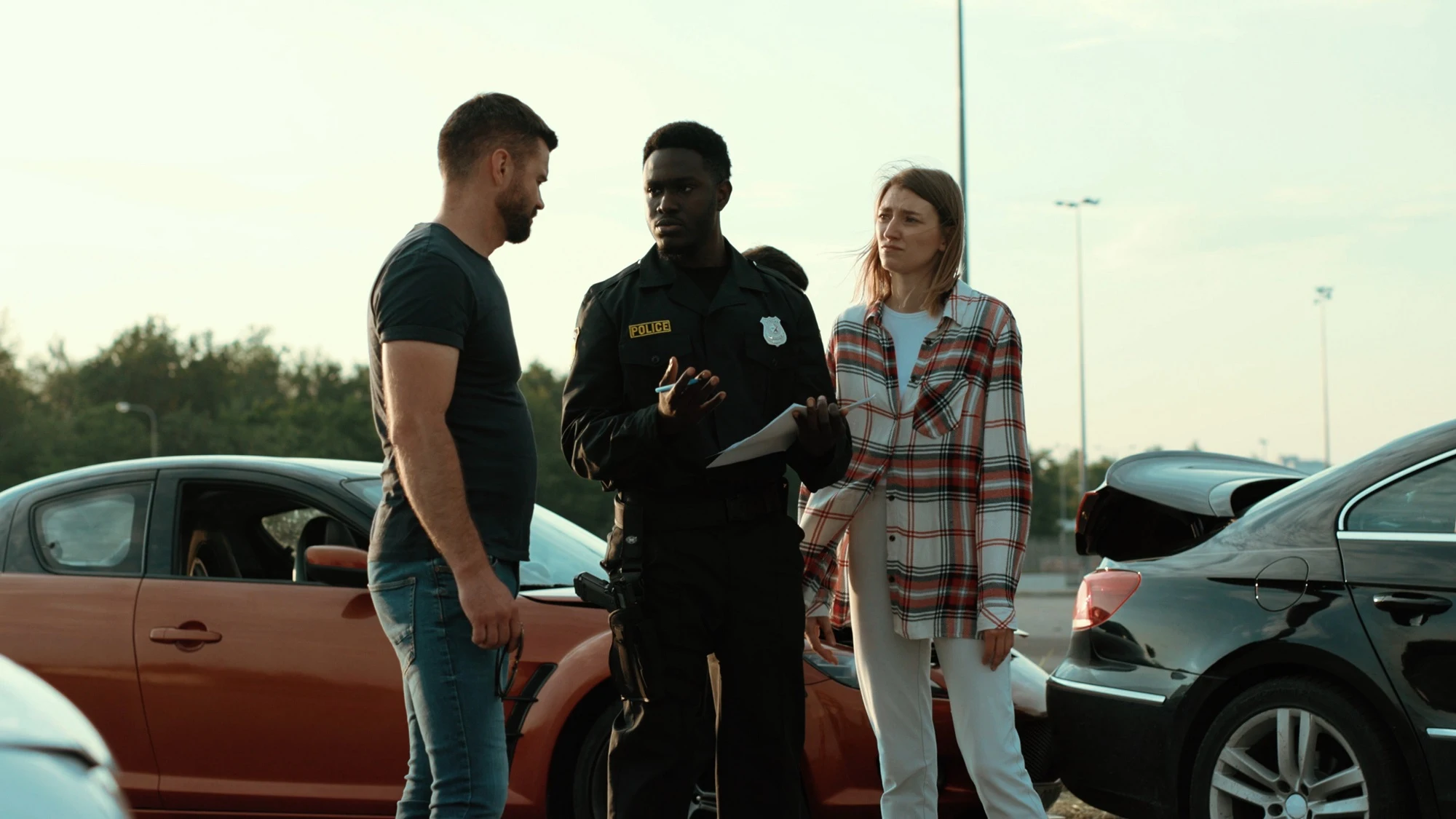
The report created by responding officers captures scene conditions, vehicle positions, visible damage, driver statements, and cited violations. If something is inaccurate, file a supplemental statement with the reporting agency before it gets used against you.
Photos and Video from the Scene
The physical scene changes fast, as vehicles get moved, skid marks fade, and debris is cleaned up by first responders. Capture everything before anything is disturbed.
- Photograph the final vehicle positions before they are moved.
- Document all visible damage on both vehicles.
- Capture lane markings, signals, skid marks, and road hazards.
- Check for nearby businesses and dashcam footage, as many systems overwrite data within 24 to 72 hours.
- Photograph visible injuries before they change in appearance.
Witness Statements
Bystanders have no stake in the outcome, which makes their accounts powerful. Collect names and contacts before people leave. A witness can speak to the light cycle, a distracted driver, or a vehicle that crossed lanes without signaling.
Medical Records
Prompt medical care creates a record linking your injuries to the crash. Providers often note whether an injury pattern is consistent with the specific type of impact, which supports your account and closes the door on pre-existing condition arguments.
Vehicle Damage Documentation
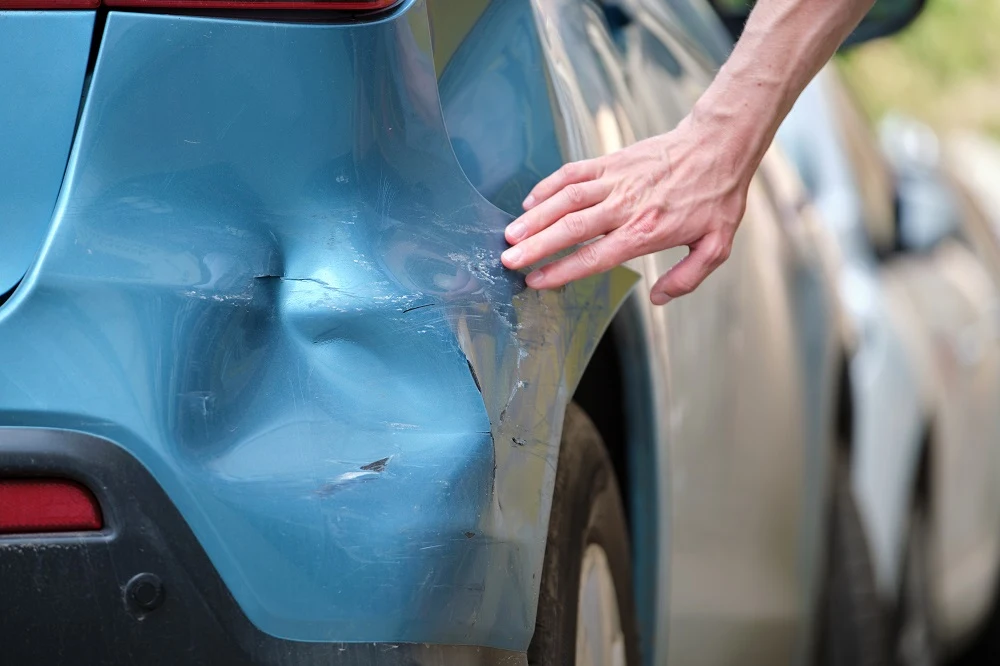
Damage location and pattern reveal the direction and force of impact. Preserve all repair estimates, shop notes, and diagnostic scans because damage that contradicts the other driver's account can be decisive evidence.
Black Box and Electronic Data
Most modern vehicles have an event data recorder (EDR) that captures speed, braking, and steering in the seconds before impact. This data disappears if the vehicle is repaired or sold. The NHTSA outlines EDR requirements, and a spoliation letter should be sent promptly to preserve the data.
Cell Phone Records
Cell phone records obtained through a subpoena show call activity, text timestamps, and app usage in the seconds leading up to the crash. Distracted driving is among the most documented causes of collisions, and records tying the other driver to their phone at the moment of impact are direct evidence of negligence.
What You Should Do Immediately After a Crash
Every step you take in the minutes after a collision shapes your ability to prove who was at fault. Insurance companies' tactics often begin before you've even left the scene.
- Call 911. Never leave before an officer arrives. A police report is the first official record that insurers and attorneys rely on.
- See a doctor the same day. Adrenaline masks pain, and concussions or internal injuries may not show symptoms for 24 to 72 hours.
- Photograph everything. Capture vehicle positions, damage, road conditions, and visible injuries before anything is moved.
- Collect witness contacts. Get names and phone numbers before people leave.
- Don't admit fault. Even "I'm sorry" can surface in insurance files and depositions later.
- Decline a recorded statement. You are not obligated to give one to the other driver's insurer. Wait until you have spoken with an attorney.
- Write down what you remember. A same-day account of conditions, statements, and the sequence of events can fill in details that fade quickly.
How well you document those first moments directly affects how much fault gets assigned to you. And under Louisiana's modified comparative fault system, that number determines everything.
How to Prove Liability in a Car Accident: The Role of an Attorney
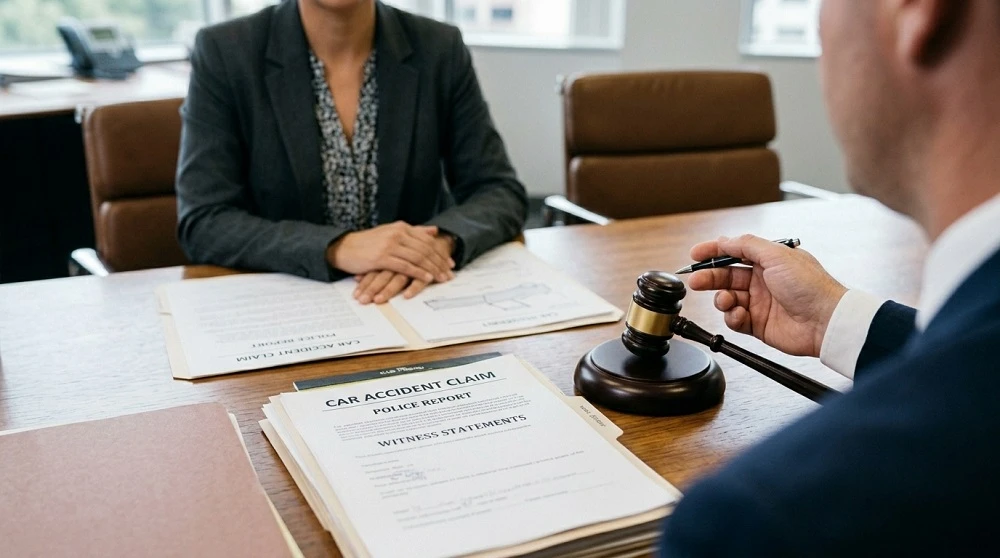
Gathering evidence is something you can start at the scene. Building a case that withstands an insurer's investigation or a court's scrutiny requires more.
Accident Reconstruction
When the manner in which a crash occurred is disputed, reconstruction professionals use vehicle damage, skid marks, road geometry, and speed data to conduct a technical analysis. This testimony can override a preliminary police assessment and counter the insurer's preferred version of events.
Challenging the Insurance Company's Investigation
Insurance adjusters are not paid to be neutral. They are not on your side, and their main goal is to pay you as little money as possible, or even nothing at all. Our experienced attorneys independently review the same evidence and push back on fault attributions unsupported by the facts, including recorded statements and the insurer's own expert conclusions.
Handling the Full Evidence Record
Law firms can subpoena phone records, demand preservation of surveillance footage, obtain EDR data, and compel disclosure of maintenance records. These channels are not easily accessible without legal representation, and delays can result in evidence being permanently lost.
When the Police Report Has Errors
Officers work quickly and sometimes without the full picture. An attorney can introduce independent analysis, witness testimony, and vehicle data to challenge a report that doesn't accurately reflect how the accident happened.
Proving Fault in Specific Accident Scenarios
Some crashes are straightforward. Others present liability questions that depend on the type of accident, the number of parties, and the evidence available. Here's how fault is typically established across the most common scenarios.
Multi-Vehicle Pileups
Chain-reaction crashes on I-49 or I-20 create complex liability webs. Determining which driver's actions set the crash in motion requires a sequence-of-events analysis. Dashcam footage and black box data become critical, and an attorney who understands multi-vehicle crash liability can identify every responsible party.
Hit-and-Run Accidents
When the at-fault driver flees, proving fault shifts to identifying them through surveillance, witnesses, and law enforcement. If the driver can't be found, your own uninsured motorist coverage may be the primary source of compensation. Proving a hit-and-run in Louisiana requires its own approach.
Rideshare Accidents
Uber and Lyft accidents involve layered insurance structures that depend on the driver's status at the time of the accident: logged off, available, or actively transporting a passenger. Establishing the right coverage tier and then proving fault requires familiarity with how rideshare accident claims are handled under corporate policies.
Truck Accidents
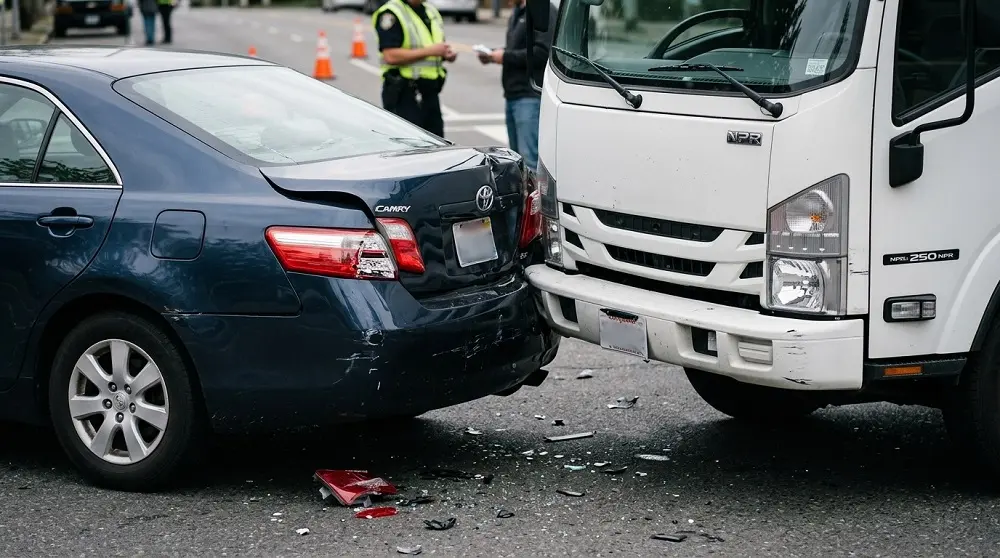
Commercial truck crashes involve federal regulations from the Federal Motor Carrier Safety Administration (FMCSA) that create additional evidence. Hours-of-service logs, maintenance records, and EDR data are all potentially relevant. A Shreveport truck accident lawyer familiar with FMCSA rules can preserve this evidence before it's gone.
What Happens If the Insurance Company Blames You Anyway
Even with strong evidence, insurers sometimes assign you a percentage of fault to reduce what they owe. Under Louisiana's modified comparative fault rule, if you are considered 51% at fault, it means zero compensation for your injuries.
If an insurer assigns you more fault than the evidence supports, you can submit additional evidence, request an independent review, or file a lawsuit. Knowing what happens when you reject a settlement offer is useful here. Turning down a quick, lowball offer is often the right move, and an attorney can negotiate the full value of your claim, including future medical costs and lost earning capacity that adjusters routinely discount.
Protect Your Claim Before Evidence Disappears
The evidence that proves who is at fault in a car accident starts disappearing within hours. The legal deadline may be two years, but the practical window for preserving what you need is far shorter.
Rice & Kendig Injury Lawyers have spent decades helping accident victims across Northwest Louisiana build the record they need. As your Louisiana personal injury attorneys, we handle the investigation, the insurance company, and the litigation so you can focus on recovery. Contact us today for a free consultation.
trusted advocate in Louisiana
and Texas.
Fault Is Being Determined Right Now
Insurance companies begin their investigation the moment a crash is reported. Make sure someone is building your side of the record, too.
or Call Us
(318) 222-2772
Heading
Struggling After Your Accident? We're Here to Help.
At Rice & Kendig, our Shreveport car accident lawyers have more than 40 years of experience helping clients receive the justice and compensation they deserve. Get your free case review now!
No Fee Unless We Win For You
or Call Us
(318) 222-2772