A slip and fall accident can happen in seconds, but change your life forever. Whether you slipped on a wet floor at a grocery store, tripped on uneven flooring at a shopping mall, or fell on a poorly lit stairwell, you may be entitled to financial recovery for your injuries. Louisiana law provides protections for people injured on someone else's property, but only if you take the right steps to protect your legal rights.
This guide walks you through everything you need to know about how to file a slip and fall claim in Louisiana, from what to do immediately after your fall accident to how to prove negligence and secure fair compensation.
What Makes a Valid Slip and Fall Case in Louisiana?
Not every slip and fall accident on someone else's property automatically creates a valid premises liability case. Louisiana law requires you to prove several specific elements to succeed with your fall claim.
According to Louisiana Revised Statute 9:2800.6, when your slip and fall accident occurs at a merchant's location — such as a grocery store, restaurant, shopping mall, or hotel — you must prove three essential elements:
- The condition presented an unreasonable risk of harm: The hazardous conditions on the property must have created a danger that was reasonably foreseeable. A wet floor without warning signs, broken stairs, or poor lighting that obscures a tripping hazard all qualify as unreasonable risks.
- The property owner had notice of the danger: You must show that the property owner either created the dangerous condition or had actual or constructive notice of it. Constructive notice means the condition existed long enough that the property owner should have discovered it through reasonable inspections.
- The property owner failed to exercise reasonable care: Even if the property owner knew about the hazardous conditions, they must have failed to fix the problem or provide adequate warning signs to visitors.
For slip and fall accidents on non-merchant property, Louisiana premises liability law still applies, but the burden of proof follows general negligence principles. You must demonstrate that the property owner owed you a duty of care, breached that duty, and directly caused your fall injury through that breach.
Step 1: Seek Medical Attention Immediately After Your Fall

Your health comes first, and seeking immediate medical attention serves two purposes: protecting your well-being and strengthening your slip and fall claim.
Some fall injuries don't show symptoms right away. You might feel fine at first, only to discover later that you sustained soft tissue damage, a concussion, or internal injuries. Medical professionals can identify hidden injuries through examinations and diagnostic tests.
Why Medical Documentation Matters
From a legal standpoint, your medical records create an official connection between your slip and fall accident and your injuries. Insurance companies frequently argue that injuries were caused by something other than the fall. When you seek medical attention promptly, you establish that:
- Your injuries were severe enough to require professional treatment.
- The accident caused your injuries (not a pre-existing condition).
- You took reasonable steps to mitigate your damages.
Step 2: Report the Accident and Create an Incident Report
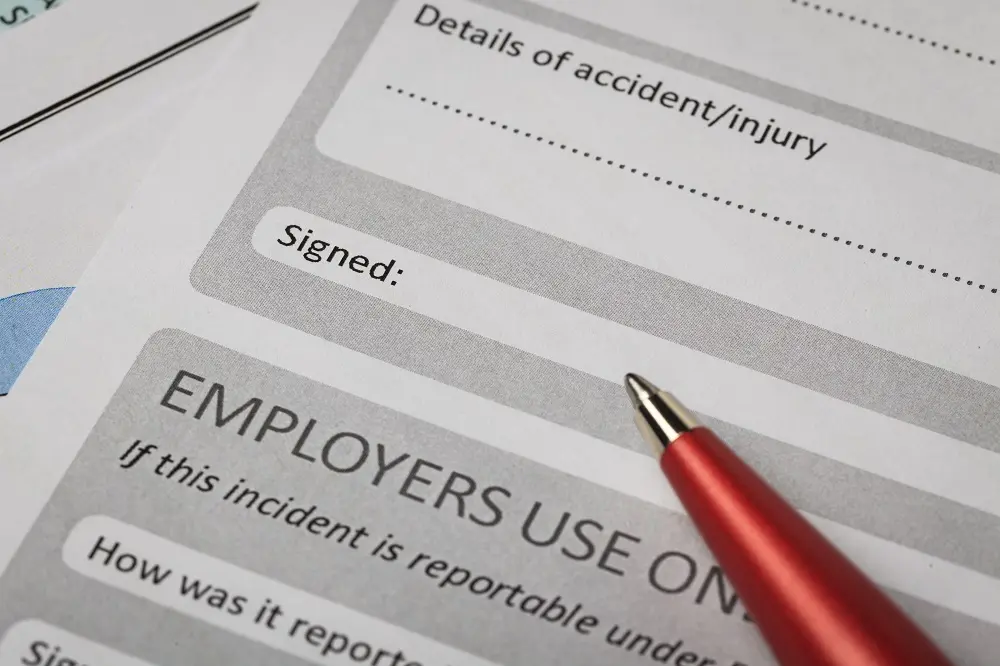
After receiving medical treatment, your next priority is documenting what happened. Creating an official incident report establishes a record of your slip and fall accident that can prove invaluable during the claims process.
If You Fell at a Business or Commercial Property
Notify the property owner, manager, or supervisor immediately. Most businesses have specific procedures for handling slip and fall accidents. The manager should complete an accident report that includes:
- The date, time, and exact location where the fall accident occurred
- A description of the hazardous conditions that caused your fall
- The names and contact information of any witnesses
- Your visible injuries at the scene
- Photos of the dangerous condition, if possible
Ask for a copy of this incident report. Some businesses may hesitate to provide one, but you have the right to document what happened on their property. If they refuse, note the name of the person you spoke with and when the conversation occurred.
If You Fell on Private or Public Property
Inform the property owner about your slip and fall accident as soon as possible. While private residences may not have formal incident-report procedures, written communication, such as an email or text message, creates a record that the property owner had notice of the dangerous condition.
Falls on government-owned property follow special rules. Louisiana law requires you to notify the relevant government entity about your slip and fall injury. Failure to provide proper notice can prevent you from filing a claim entirely, even if you have strong evidence of negligence.
Missing this step can seriously damage your fall case. Insurance companies often argue that if the accident were real or serious, you would have reported it immediately. Don't give them that ammunition.
Step 3: Gather Evidence and Document Everything
Building a strong slip and fall case requires as much evidence as possible. The more documentation you collect, the harder it becomes for the insurance company to deny your claim or minimize your injuries.
Photograph the Scene
If you're physically able, take photos or videos of:
- The specific hazardous conditions that caused your fall (wet floor, uneven flooring, poor lighting, etc.)
- The surrounding area from multiple angles
- Any warning signs, or the absence of warning signs
- Your visible injuries
- Your torn or damaged clothing
Collect Witness Information
People who witnessed your slip-and-fall accident can provide powerful testimony. Get the names and contact information of anyone who witnessed:
- The fall itself
- The hazardous conditions before the accident occurred
- The property owner's response (or lack of response) to your injury
Witness statements carry significant weight because they provide objective accounts from people without a financial stake in the outcome.
Preserve Physical Evidence
Keep everything related to your accident:
- The shoes you were wearing (to counter arguments about inappropriate footwear)
- Torn or damaged clothing
- Any medical devices you received (crutches, braces, etc.)
- Receipts for medical expenses, transportation costs, and other fall-related expenses
Request Surveillance Footage
Many businesses have security cameras that may have captured your fall accident. Ask the property owner to preserve any surveillance footage from the incident. This request should be made in writing and as quickly as possible, as many systems automatically delete footage after 30 to 60 days.
Keep a Personal Injury Journal
Document how your fall injury affects your daily life:
- Pain levels and symptoms
- Activities you can no longer perform
- Medical appointments and physical therapy sessions
- Lost wages from missing work
- Emotional and mental health impacts
This documentation helps establish the full scope of your damages and supports claims for pain and suffering.
Step 4: Notify the Responsible Party and Insurance Company

Once you've gathered initial evidence, you need to formally notify the responsible party and their insurance company about your slip and fall claim. This step initiates the formal claims process.
Contact the Property Owner
Send a written notice to the property owner or manager explaining:
- When and where your slip and fall accident occurred
- The hazardous conditions that caused your fall
- The injuries you sustained
- That you intend to file a claim for damages
Notify Their Insurance Company
The property owner should provide you with information about their liability insurance coverage. Submit a formal claim to the insurance company, including:
- A description of the accident
- Photos and evidence of the dangerous condition
- Medical records documenting your injuries
- Information about your medical bills and lost wages
Be Cautious with Insurance Adjusters
Insurance companies exist to minimize payouts, not maximize your recovery. When dealing with insurance adjusters:
- Don't provide a recorded statement without consulting a slip and fall lawyer first
- Never admit fault or downplay your injuries
- Don't sign any documents or settlement offers before getting legal advice
- Avoid discussing the accident on social media (adjusters check)
- Keep detailed records of all communications
Insurance companies often contact injury victims quickly after a slip and fall accident, hoping to secure a recorded statement or quick settlement before victims understand the full extent of their injuries. What you say in those first conversations can significantly impact your fall claim.
Step 5: Calculate Your Damages for Fair Compensation

Before accepting any settlement offer, you need to understand the full value of your slip and fall claim. Louisiana law allows you to recover various types of damages:
Economic Damages (Financial Losses with Receipts)
- Medical bills for emergency room visits, hospital stays, surgery, and treatment
- Future medical expenses for ongoing care or physical therapy
- Lost wages from time off work
- Loss of earning capacity if your injuries prevent you from working
- Property damage (damaged clothing, broken glasses, etc.)
- Transportation costs to medical appointments
Non-Economic Damages (Losses Without Receipts)
- Pain and suffering from your injuries
- Emotional distress, anxiety, or depression
- Loss of enjoyment of life
- Disfigurement or scarring
- Loss of consortium (impact on your relationship with your spouse)
Never accept the insurance company's first offer. Initial settlement proposals typically lowball the actual value of your claim. Once you accept a settlement, you typically cannot pursue additional compensation later, even if your injuries prove more serious than initially diagnosed.
Step 6: File Your Slip and Fall Lawsuit (If Necessary)

Most slip and fall cases settle through negotiations with the insurance company, but sometimes filing a lawsuit becomes necessary to secure a fair settlement.
When to File a Slip and Fall Lawsuit
- The insurance company denies your claim entirely
- Settlement offers don't adequately compensate you for your injuries
- The responsible party refuses to accept liability
- Your injuries are severe and require maximum compensation
- The statute of limitations deadline approaches
How an Experienced Slip & Fall Attorney Can Help You
Your personal injury lawyer will handle the legal process of filing your slip and fall lawsuit in the Louisiana district court, which includes:
- Preparing and filing the initial complaint
- Identifying the proper venue (typically where the accident occurred or where the defendant resides)
- Serving the complaint on the defendant
- Engaging in discovery (exchanging evidence and information)
- Participating in mediation or settlement conferences
- Preparing for trial if a settlement cannot be reached
According to the National Floor Safety Institute (NFSI), slip and fall accidents account for over 1 million emergency room visits each year. The seriousness of these injuries justifies the legal process required to hold negligent property owners accountable.
Louisiana's Statute of Limitations: How Long You Have to File

Time limits matter immensely in slip and fall cases. According to Louisiana Civil Code Article 3493.11, you now have two years from the date of your slip and fall accident to file a personal injury lawsuit, but only if your accident occurred on or after July 1, 2024.
This represents a significant change in Louisiana law. Before July 1, 2024, the statute of limitations for a slip and fall claim was just one year. Act No. 423 doubled this timeframe, giving injury victims more time to seek fair compensation.
Louisiana's Modified Comparative Negligence Law
Louisiana's comparative negligence system under Louisiana Civil Code Article 2323 significantly impacts how slip and fall claims are resolved. Starting January 1, 2026, Louisiana transitions to a modified comparative negligence system, changing how fault affects your recovery.
For accidents occurring before January 1, 2026, Louisiana's pure comparative negligence system still applies, allowing recovery even if you're 99% responsible. After this date, the modified system bars recovery if you're 50% or more at fault.
How to Prove Negligence in Your Fall Case
Winning your slip and fall claim requires proving that the property owner's negligence directly caused your fall injury. This involves establishing four key elements:
1. The property owner owed you a duty of care. Property owners must maintain their premises in a reasonably safe condition for lawful visitors. The level of duty varies based on your status:
- Invitees (customers, business visitors): Owed the highest duty of care.
- Licensees (social guests): Owed a duty to warn of known dangers.
- Trespassers: Owed minimal duty (only to avoid willful harm).
2. The property owner breached this duty. The breach occurs when the property owner:
- Created the dangerous condition
- Knew about the hazardous conditions but failed to fix them
- Should have known about the dangerous condition through reasonable inspections
- Failed to provide adequate warning signs
3. The breach caused your injuries. You must establish a direct link between the property owner's negligence and your fall injury. Medical records help prove causation by showing your injuries align with the type of fall accident you experienced.
4. You suffered actual damages. You need proof of concrete losses, such as medical bills, lost wages, documented pain and suffering, not just minor inconvenience.
The burden of proof rests on you as the injured party. This means gathering sufficient evidence to convince a jury (or insurance adjuster) that the property owner's negligence more likely than not caused your injuries.

Rice & Kendig: Your Louisiana Slip and Fall Attorneys
A slip and fall accident can result in serious injuries, mounting medical bills, and lost wages when someone else's negligence causes your fall injury. At Rice & Kendig, we have extensive experience helping Louisiana residents recover full compensation for slip and fall accidents throughout the state. Our legal team fights aggressively for the fair settlement our clients deserve. Contact us today for a free consultation to discuss your fall case and learn about your legal options.

trusted advocate in Louisiana
and Texas.
We'll Fight for You
Rice & Kendig has helped countless Louisiana residents recover compensation after slip and fall accidents caused by property owner negligence. Free consultation, no fees unless we win your case.
or Call Us
(318) 222-2772
Heading
Struggling After Your Accident? We're Here to Help.
At Rice & Kendig, our Shreveport car accident lawyers have more than 40 years of experience helping clients receive the justice and compensation they deserve. Get your free case review now!
No Fee Unless We Win For You
or Call Us
(318) 222-2772