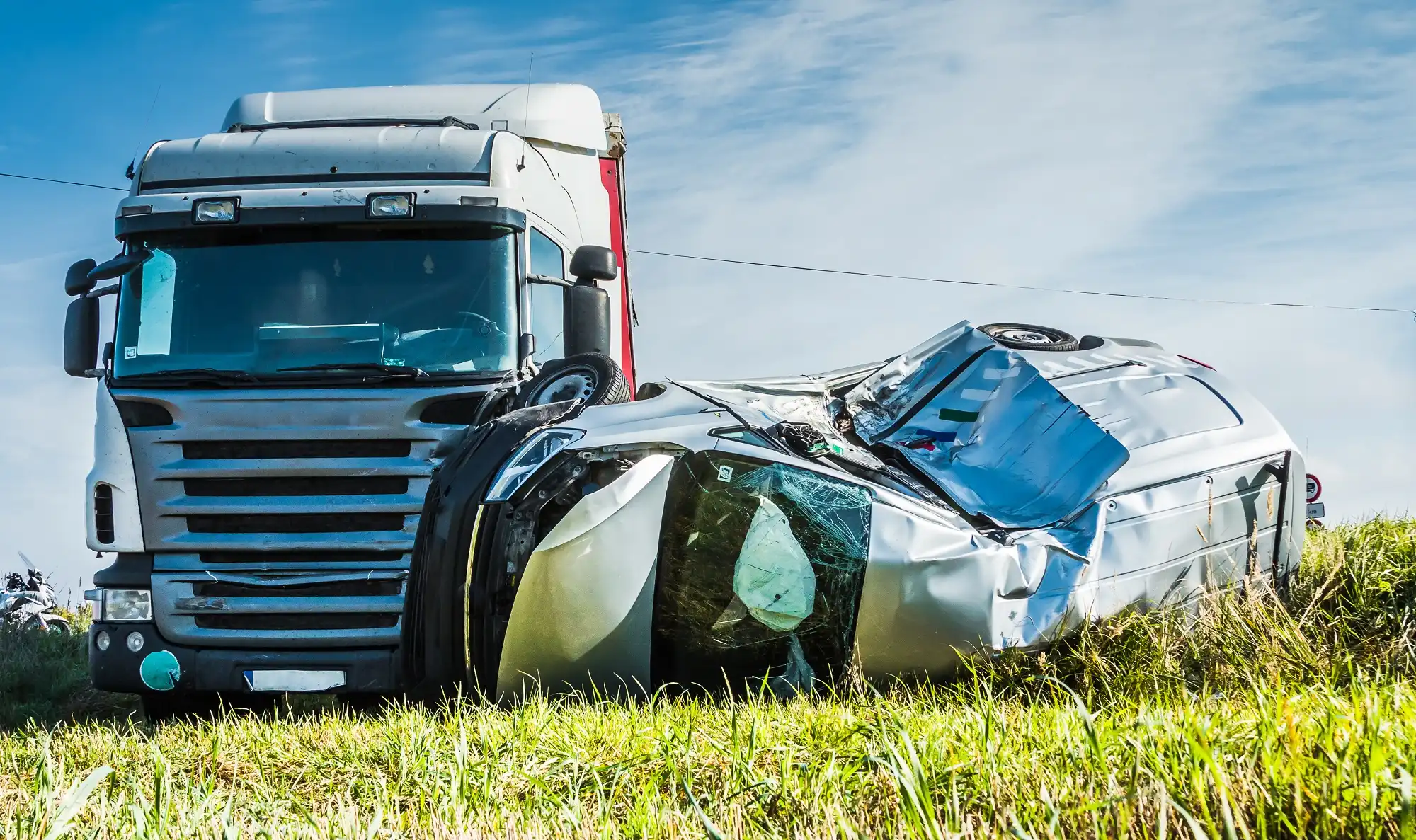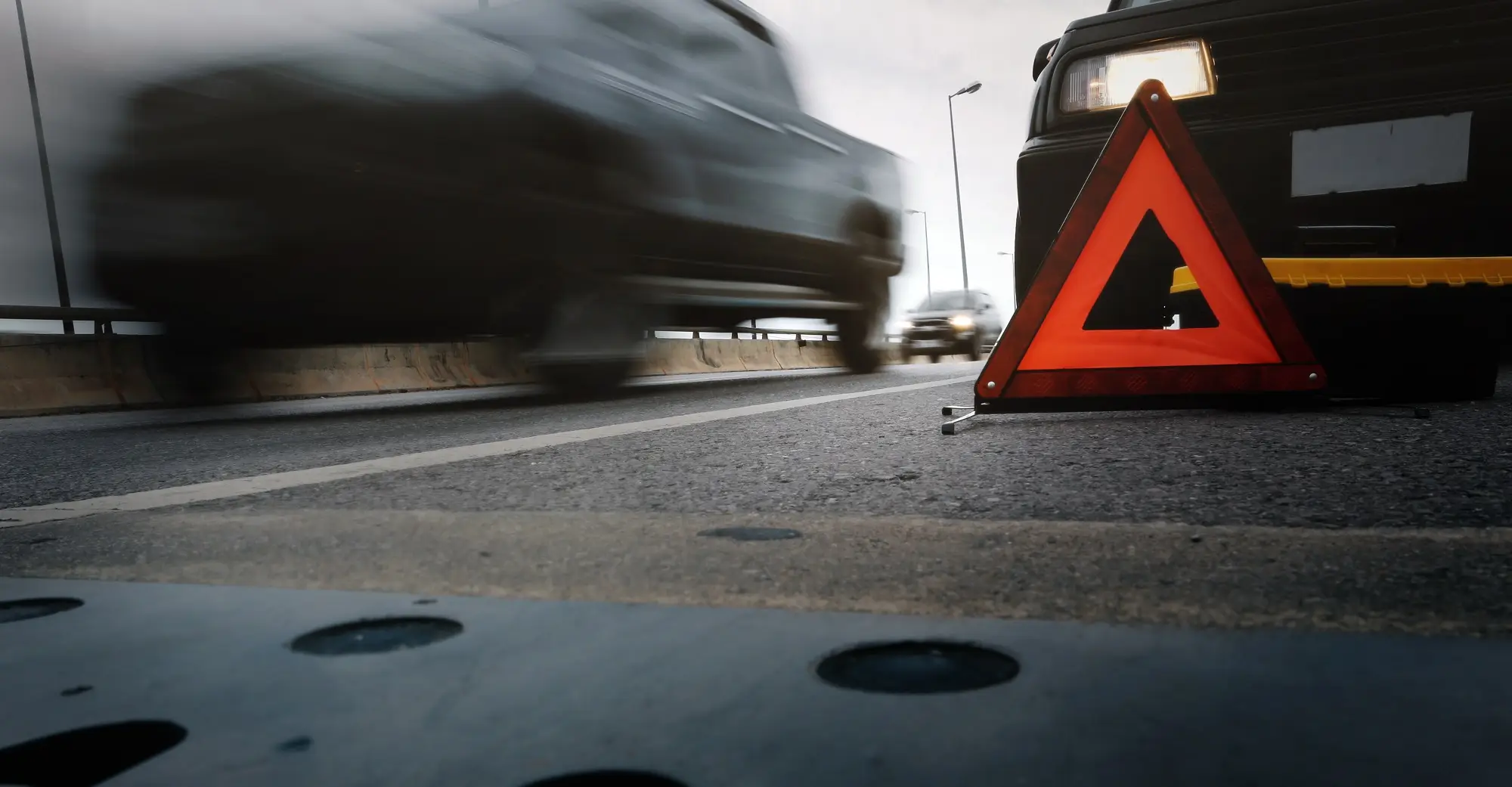
The moments following a car accident are always chaotic. But when you look up and see the taillights of the other vehicle fading into the distance, that chaos turns into a mix of anger and uncertainty. You are left with property damage, potential injuries, and a looming question: How can I hold someone accountable if they aren't even here?
At Rice & Kendig, we have spent over 50 years helping victims navigate the complexities of Shreveport hit-and-run accidents. While these cases are more challenging than a standard collision, they are far from impossible. Proving a hit-and-run case is a two-track process: identifying the fleeing driver and, if they cannot be found, proving your right to recover through your own insurance.
Understanding Hit and Run Under Louisiana Law
In Louisiana, "Hit and Run Driving" (R.S. 14:100) is a serious criminal offense. It occurs when a driver involved in an accident intentionally fails to stop, give their identity, and render reasonable aid.
From a civil perspective, a hit-and-run is not just a crime; it is an act of negligence. To win a settlement, your personal injury attorney must build a case that proves the other driver was at fault and that their departure from the scene caused you further harm or prevented the normal exchange of insurance information.
Critical Evidence Needed to Build Your Claim
Because the at-fault party is not present to admit liability, the evidence must speak for itself. Our legal team focuses on gathering four main types of proof:
1. Visual Surveillance and Digital Records
In the digital age, a "phantom" driver often leaves a digital trail.
We look for:
- Business security footage: Many businesses in Caddo Parish and Bossier City have cameras that overlap with the street.
- Doorbell and traffic cameras: Residential Ring cameras or municipal traffic cams can often provide a partial license plate or a specific vehicle description.
- Dashcam video: If you or a witness has a dashcam, this is the most reliable evidence to prove "physical contact", which is necessary for many insurance claims in Louisiana.
2. Forensic Physical Evidence
Vehicles involved in a collision often exchange more than just force.
We analyze:
- Paint transfers: The color of the scuffs on your bumper can help investigators narrow down the make and model of the fleeing car.
- Vehicle debris: Broken glass or plastic from a headlight often has part numbers that can identify the specific year and model of the suspect's vehicle.
- Environmental markers: Skid marks and fluid spills help reconstruct the speed and path the driver took when fleeing.
3. Witness Testimony
Independent witnesses are the "gold standard" in hit-and-run cases. Under Louisiana law, if there was no physical contact between the cars (a "miss-and-run"), you often must have an independent witness to verify the other driver’s existence to pursue an uninsured motorist claim.
4. Medical Documentation
Proving the "damage" part of your case requires immediate medical records. Linking your injuries, such as whiplash or a traumatic brain injury, directly to the timeline of the crash is essential for your settlement calculation.
Steps to Take Immediately After a Hit and Run
When a driver flees, your adrenaline spikes, and your "fight or flight" response kicks in. However, the first 30 minutes following the crash are the most critical for your future legal claim. The steps you take now serve two purposes: ensuring your physical safety and preserving evidence that disappears within hours.
If you find yourself alone at the scene of an accident, follow this protocol:
- Stop and move to safety: Even if the other driver didn't stop, you must. Pull your vehicle to the shoulder to avoid a secondary rear-end collision.
- Call 911 immediately: You need a formal police report. In Louisiana, this report is the primary document your insurance company will look for. Tell the dispatcher it was a hit-and-run so they can alert officers to look for the vehicle.
- Document everything you remember: While it’s fresh, write down or record a voice note of the car’s color, make, model, and any part of the license plate. Did the driver have a specific hair color? Was there a bumper sticker? Every detail matters.
- Take photos of the entire scene: Don't just photograph your car. Take wide shots of the intersection, the debris on the road, and any nearby businesses that might have cameras.
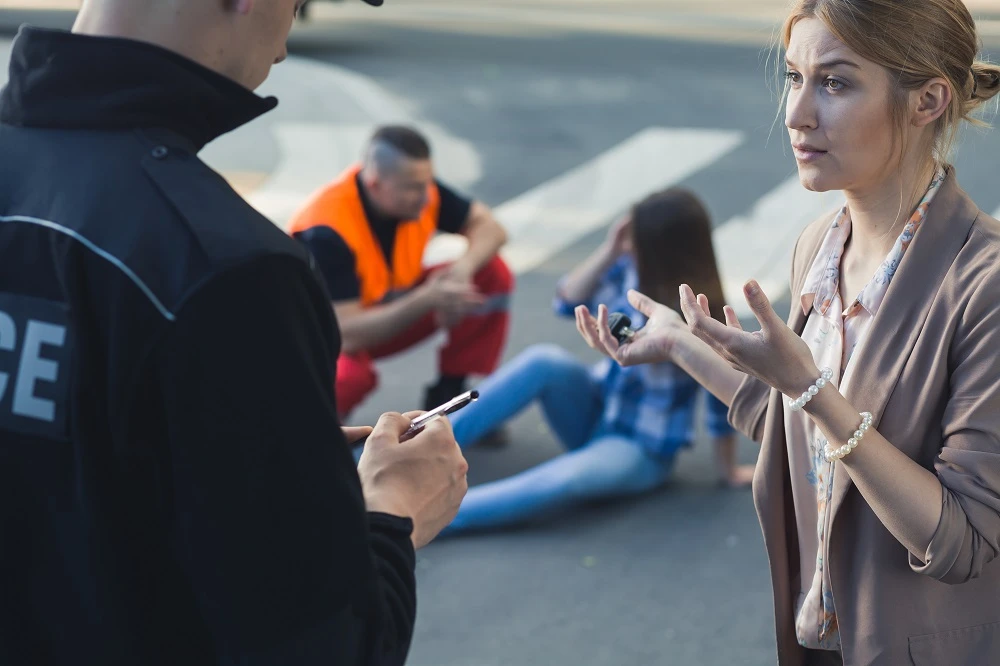
- Identify witnesses: If bystanders stop to help, ask for their names and phone numbers. Do not rely on the police to do this; officers are often busy and may miss a witness who leaves the scene early.
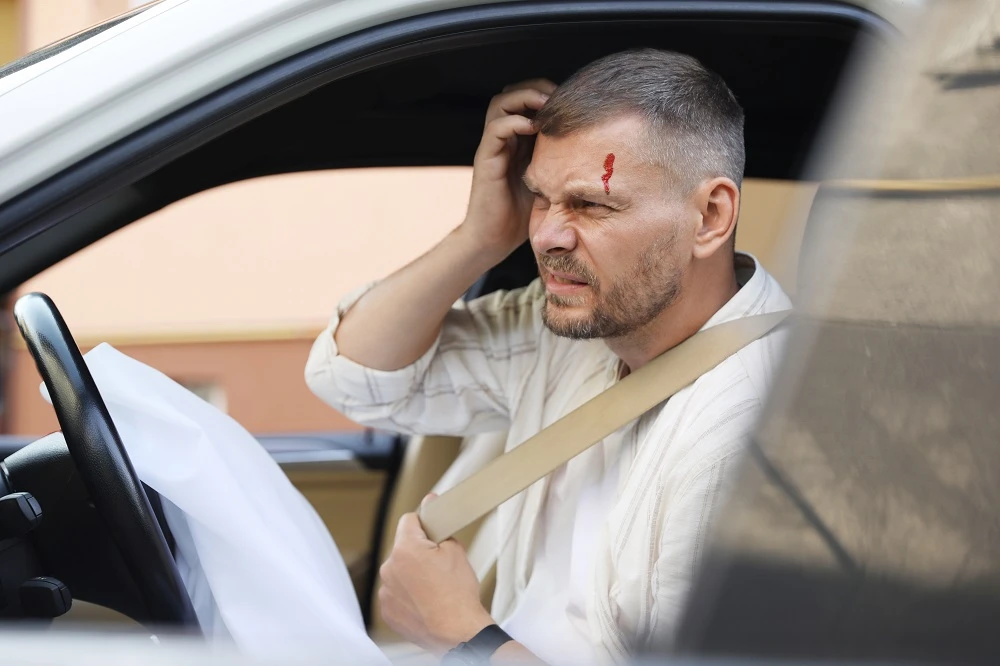
- Seek medical attention: Even if you feel "okay," the shock of a hit-and-run can mask pain. Visiting an ER or urgent care creates a medical timeline that insurance companies cannot easily dispute.
- Contact an attorney before your insurer: Insurance companies, even your own, are looking for reasons to minimize payouts. A Shreveport car accident lawyer can help you report the claim in a way that protects your rights.
Proving Your Case via Uninsured Motorist (UM) Coverage
In many hit-and-run cases, the driver is never identified. Does this mean you can’t recover compensation? No.
In Louisiana, an unidentified hit-and-run driver is legally classified as an "uninsured motorist". If you have UM coverage on your policy, you can file a claim against your own insurance company to cover your medical bills, lost wages, and pain and suffering.
The "Physical Contact" Rule
To win a UM claim in Louisiana for a hit-and-run, you generally must prove there was "physical contact" between the vehicles. If there was no contact (e.g., they ran you off the road), you will need "competent evidence" (usually a witness or video) to prove the other driver caused the crash.
The Hit and Run Exception to "No Pay, No Play"
As we’ve detailed in our guide to Louisiana’s No Pay, No Play law, which was updated in 2025, drivers without insurance usually cannot recover the first $100,000 for bodily injury and property damage. However, hit-and-run accidents are a major exception. If the at-fault driver is convicted of a hit-and-run, the "No Pay, No Play" penalties are waived, allowing you to seek full compensation regardless of your own insurance status.
The Path to Recovery Following a Hit-and-Run Accident
Proving a hit-and-run requires an investigation that goes beyond what the police typically provide. Our team subpoenas video, tracks down witnesses, and works with accident reconstructionists to prove exactly what happened.
If you’ve been a victim of a hit-and-run, don't wait for the evidence to disappear. Contact Rice & Kendig today for a free consultation. We treat our clients like people, not file numbers, and we fight to ensure a fleeing driver doesn't leave you with the bill.

trusted advocate in Louisiana
and Texas.
Hit by an Uninsured Driver?
Rice & Kendig Injury Lawyers have recovered millions for Louisiana accident victims over 30+ years. We know how to handle insurance companies that try to deny hit-and-run claims.
or Call Us
(318) 222-2772
Heading
Struggling After Your Accident? We're Here to Help.
At Rice & Kendig, our Shreveport car accident lawyers have more than 40 years of experience helping clients receive the justice and compensation they deserve. Get your free case review now!
No Fee Unless We Win For You
or Call Us
(318) 222-2772